
One of the first things I remember learning about memory is that the brain needs exercise to make anything stick.
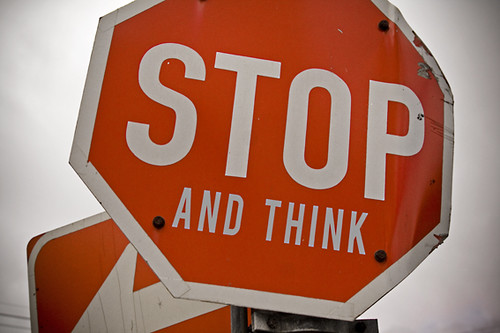
Memory is a big part of playing better bridge. Remembering the cards that have been played, and remembering previous moves that your opponents (or partners) might have made during previous games are all elements that aid how you play.
We remember a lot of things as bridge players (hell, as humans!).
Here are a few tips that can help bridge players to better their memory.
Don’t Google It First
What do you do when you can’t remember something?
Google it, of course.
The answer appears right in front of you, and there’s no need to think about it from there.
Next time, don’t google it straight away.
The next time you’re hoping to remember a piece of bridge trivia, or who that actor was in a movie, let the answer show up by itself.
Give it a few hours, give it a few days. Then Google it.
It’s one way to keep your memory in gear.
Memorize Small, Random Things
Memorize small, random things throughout your day.
It includes ingredients on pasta, phone numbers on billboards, words in a new language.
Committing small details into your memory is the equivalent of doing daily push-ups for the mind.
Eventually, you’ll notice that your mind becomes naturally better at memorizing other things for the long haul.
The Card Exchange
Pick a person, any person.
Now pick a sequence of cards and send it to that person.
Tomorrow, ask them what those cards were. Have them send you a card sequence in return.
While this seems like an extremely simple exercise, it’s an effective one. It’s something card enthusiasts can do to keep their memory in check – and it’s a lot more fun than trying to memorize a shopping list by yourself.
I used to do this while studying, and it took the edge off having to memorize everything else.
Creating Connections
If you’d like to remember something for the long-term, associate it with something else.
Choose something quirky, something familiar, something funny, or even something disgusting. It doesn’t matter.
It can be something that sounds like, something that looks like, or just something that reminds you of the thing you’re hoping to remember.
Creating mental connections is a great way to ensure things stick.
Don’t Overload
The brain should be exercised, but the brain shouldn’t be pushed.
Have you ever seen an image of a hernia created by picking up too much weight, too fast? It’s not pretty, and don’t look it up.
Mental exhaustion is a very real thing, and it can cause enough stress to trigger difficulty remembering or recalling.
No matter how much you might have to memorize, remember to take breaks. An overloaded memory can never run at full capacity (and the more you try to force it, the less it works).